
Watchet Conservation Society
Promoting, Conserving & Improving Our Physical & Natural Environment
Promoting, Conserving & Improving Our Physical & Natural Environment
Celebrating and protecting the rich biodiversity of Watchet and surrounding areas
Watchet and the surrounding coastal and countryside areas are home to an incredible variety of wildlife. From seabirds and marine life along our coastline to woodland creatures and pollinators in our green spaces, our local ecosystem is vibrant and diverse.
The Watchet Conservation Society works to monitor, protect, and enhance habitats for all our local wildlife species, ensuring they thrive for generations to come.
Our coastal location attracts a wide variety of seabirds including gulls, cormorants, and occasional rarities. Inland, we have thriving populations of songbirds, birds of prey, and waterfowl.
The Bristol Channel and Watchet harbour support diverse marine ecosystems, from rockpool creatures to visiting cetaceans.
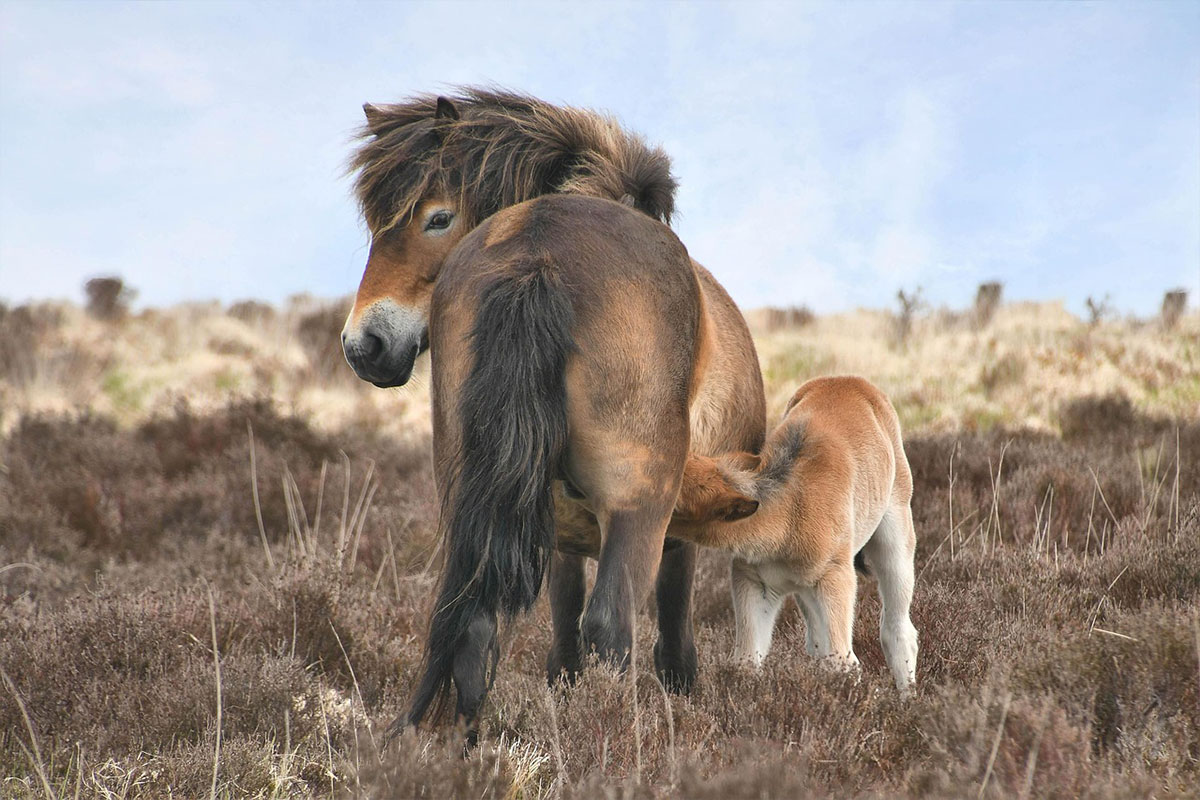
Our terrestrial habitats support a range of mammals, from tiny shrews to deer in the surrounding countryside.
Bees, butterflies, and other pollinators are vital to our ecosystem. We're working to create and protect pollinator-friendly habitats.
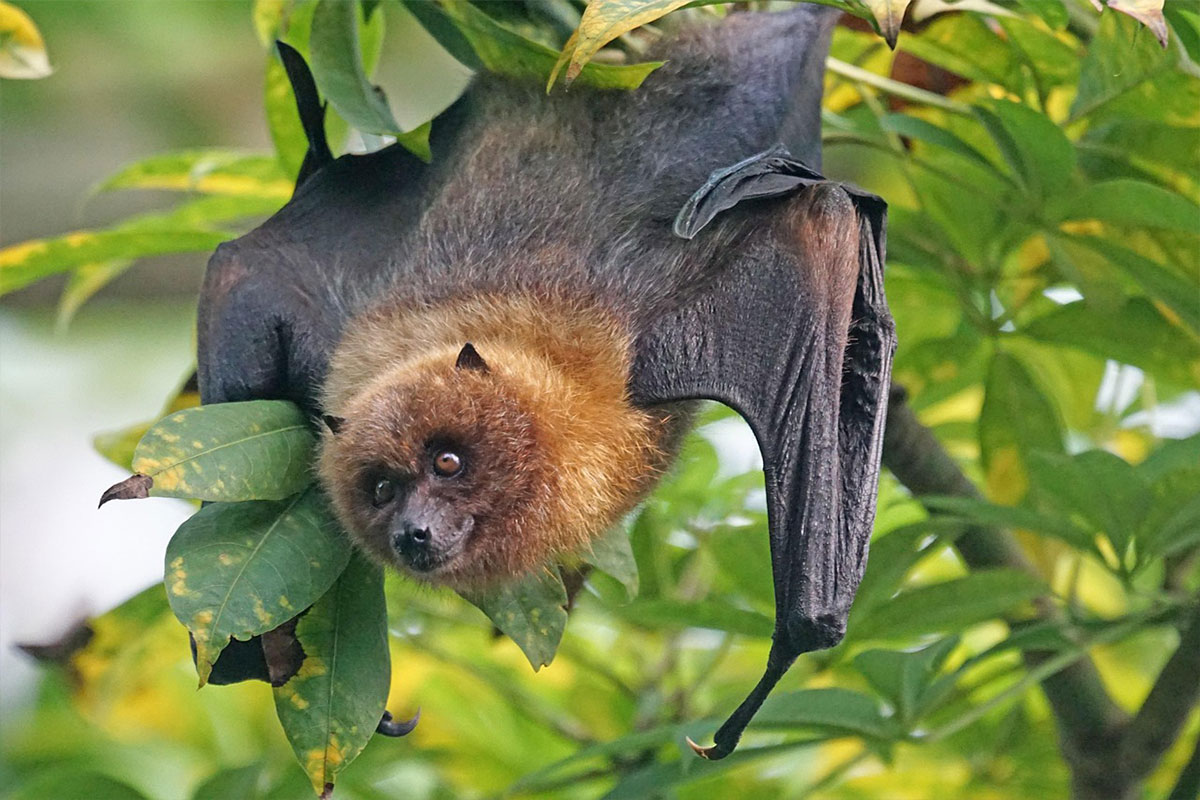
Understanding our local wildlife is the first step in protecting it. The Watchet Conservation Society conducts regular surveys to monitor species populations and identify conservation priorities.
Current monitoring projects include:
Our volunteers contribute hundreds of hours to these surveys, building a valuable long-term dataset that informs conservation action.
We're actively working to create and enhance habitats across Watchet:
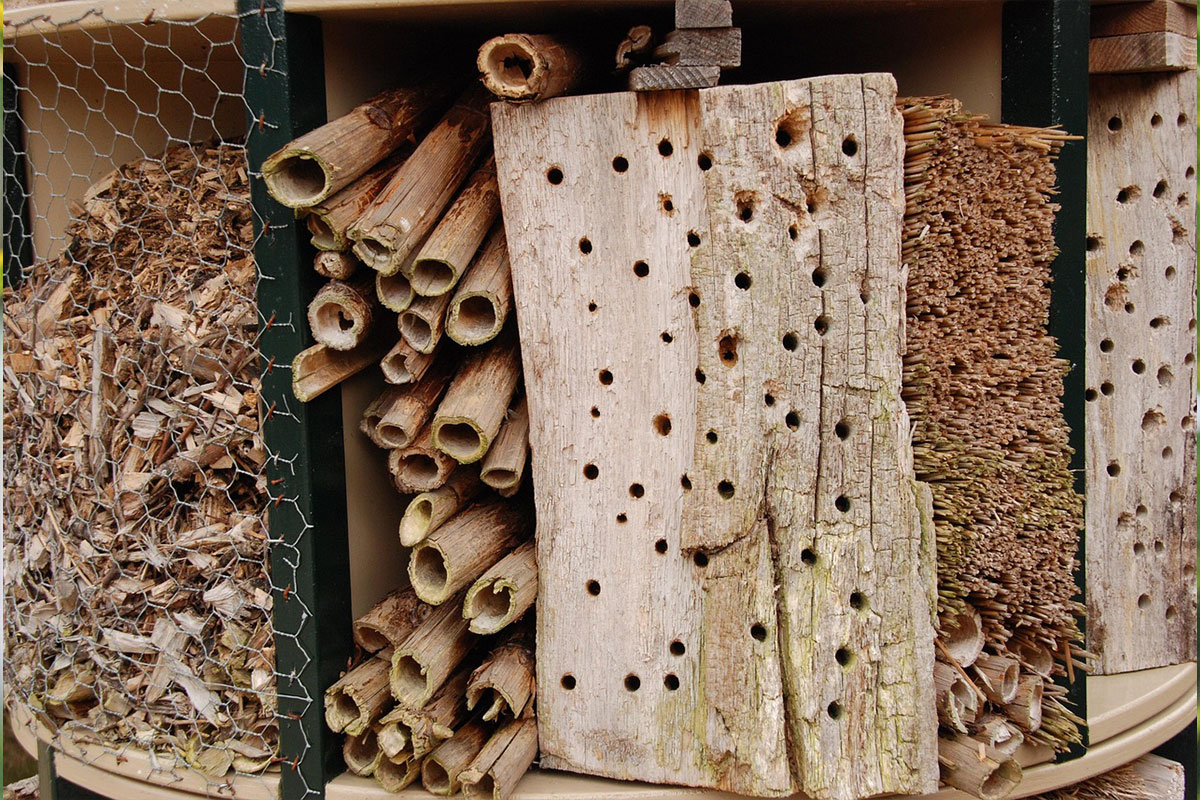
Your garden can be a haven for wildlife. Here are some simple steps to make your outdoor space more wildlife-friendly:
Choose native plants that provide food and shelter for local wildlife. Avoid invasive species.
Let a corner of your garden grow wild - long grass, nettles, and brambles are valuable habitats.
A small pond, bird bath, or shallow dish of water helps all wildlife, especially during dry weather.
Pesticides and herbicides harm wildlife. Garden organically to support a healthy ecosystem.
Log piles, rock piles, and dense shrubs provide essential shelter and hibernation sites.
Provide appropriate food year-round, clean feeders regularly, and position them safely.
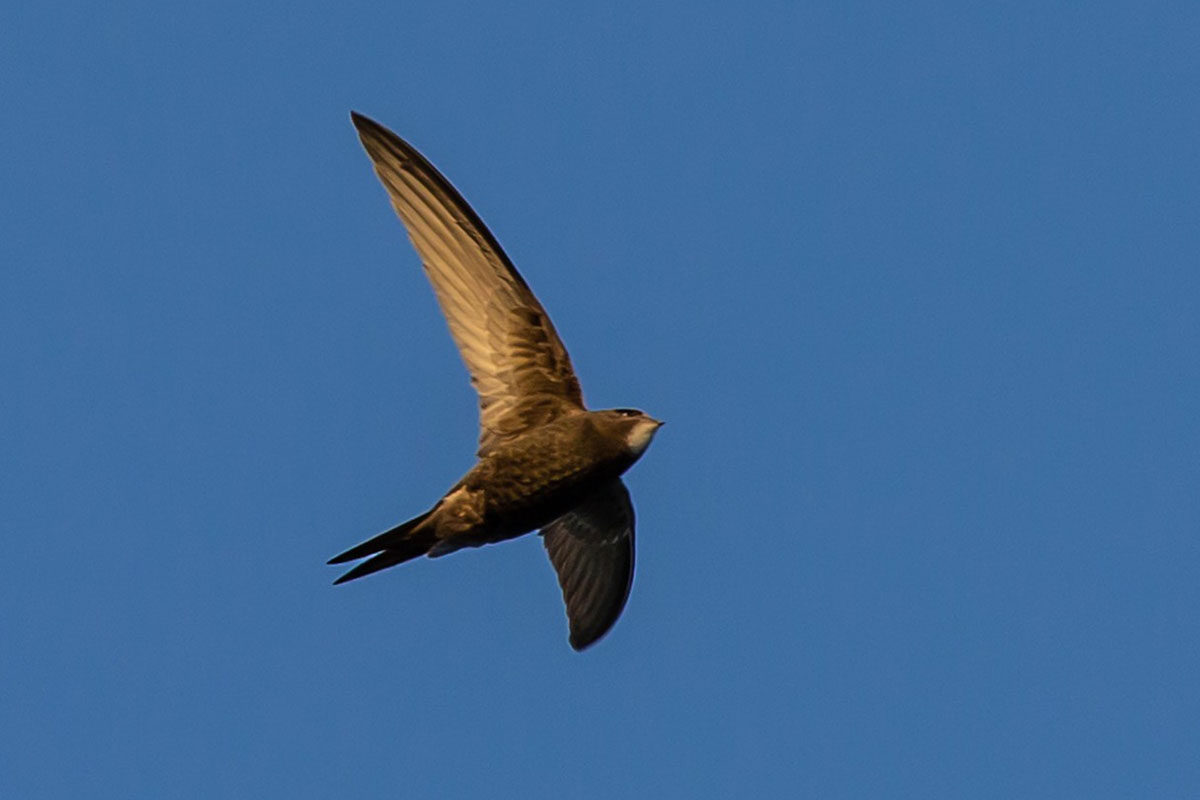
Help us build a picture of wildlife in Watchet by reporting your sightings. Whether it's a rare bird, a hedgehog in your garden, or butterflies on your wildflowers, your observations are valuable.
We use sighting data to: